One idea. One minute.
Short video lessons on the ideas students get stuck on, taught the way our tutors teach: show it first, explain why it works, then try one yourself. Each video comes with a written explanation and the answer to its question.
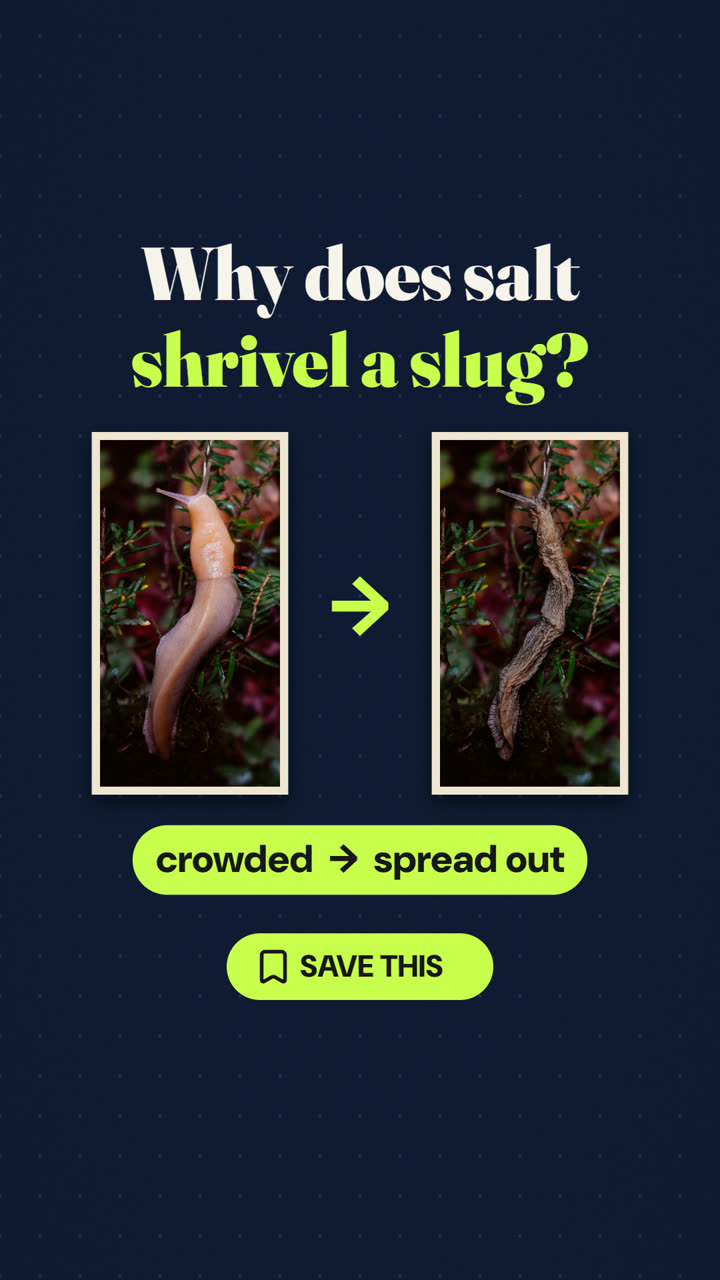 1:29
Why does a slug shrivel in salt? Diffusion and osmosis explained
One rule, three jobs: a slug in salt, your lunch, and a fish breathing underwater.
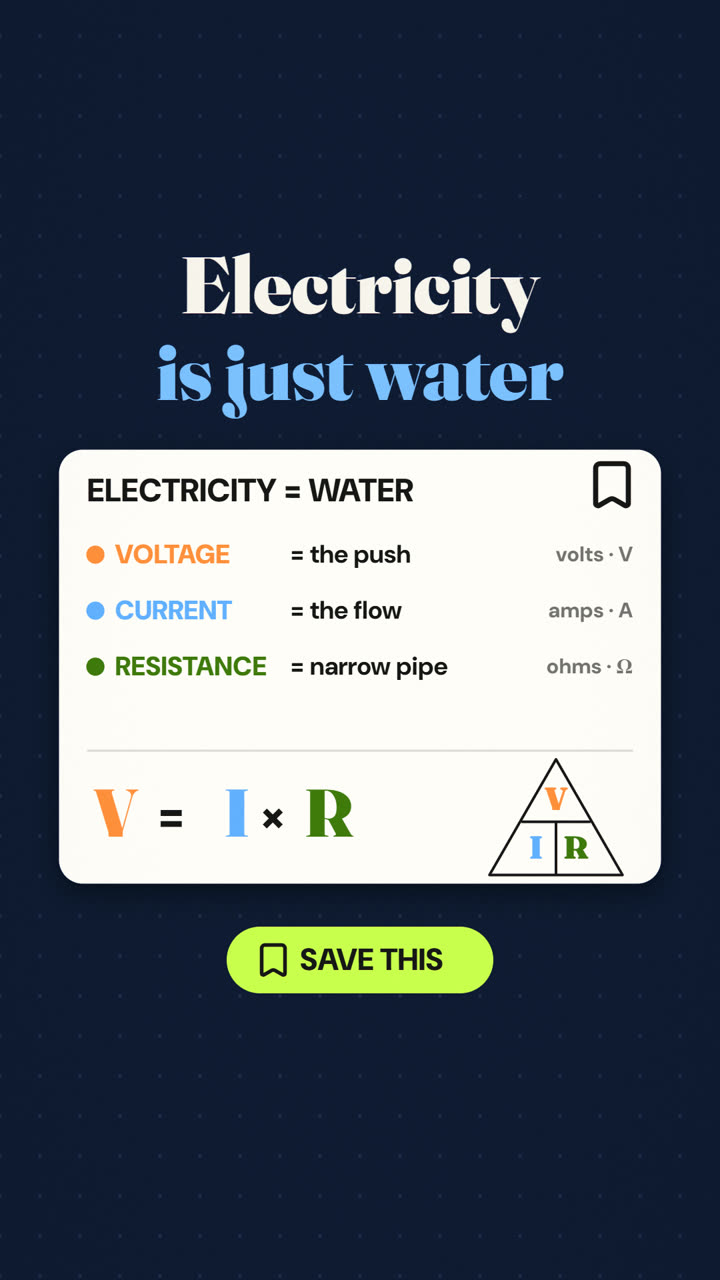 1:05
Electricity is just water: voltage, current and resistance explained
Voltage is the push, current is the flow, resistance is a narrow pipe. Then V = IR.
 1:07
Zero was once banned: the story of nothing
Florence banned it in 1299. Here's who came up with nothing, and why it matters.
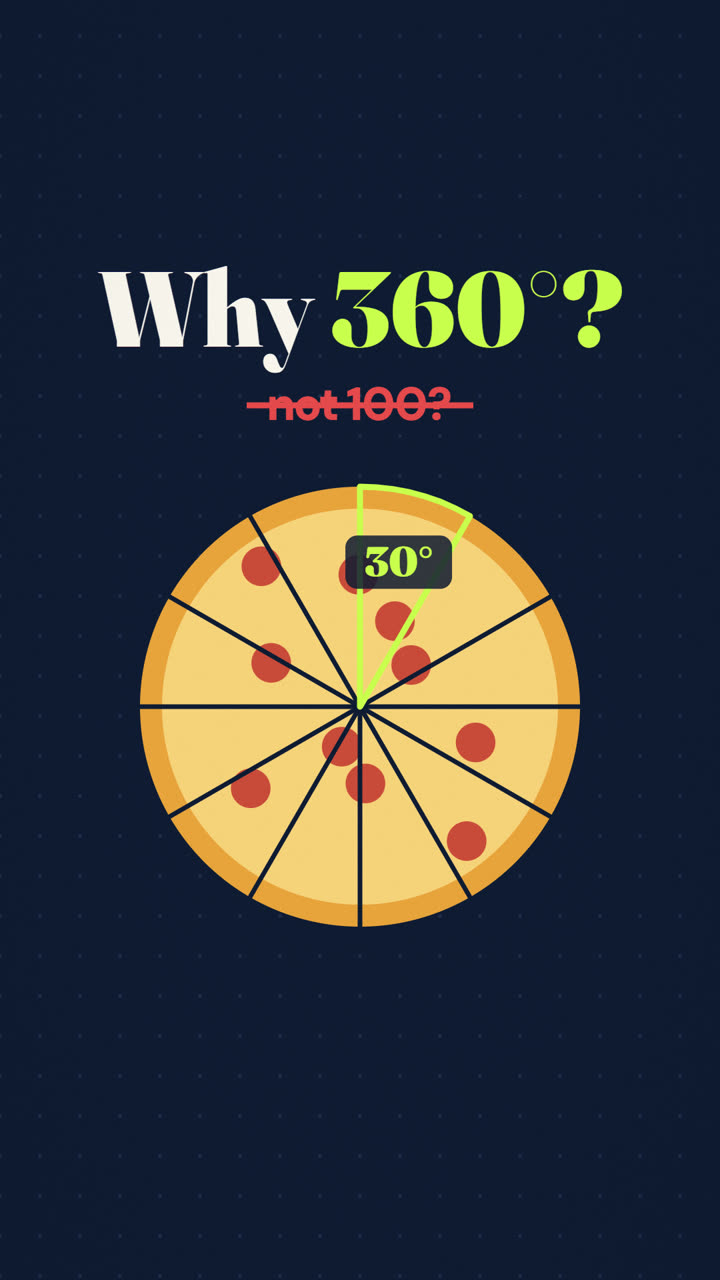 1:22
Why is a full turn 360 degrees?
Babylonian astronomers, a year of 360 steps, and a number that shares brilliantly.
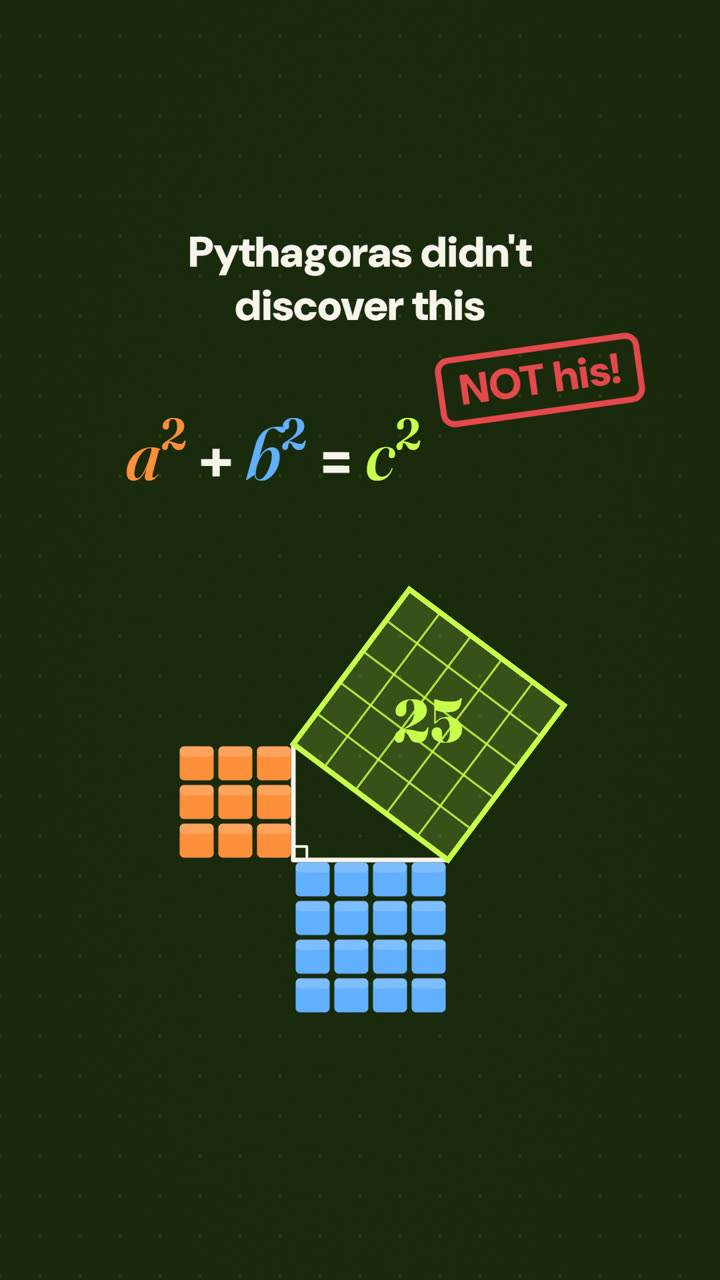 1:22
Pythagoras didn't discover Pythagoras' theorem
People used it over a thousand years before he was born. Here's who, and why it works.
 1:08
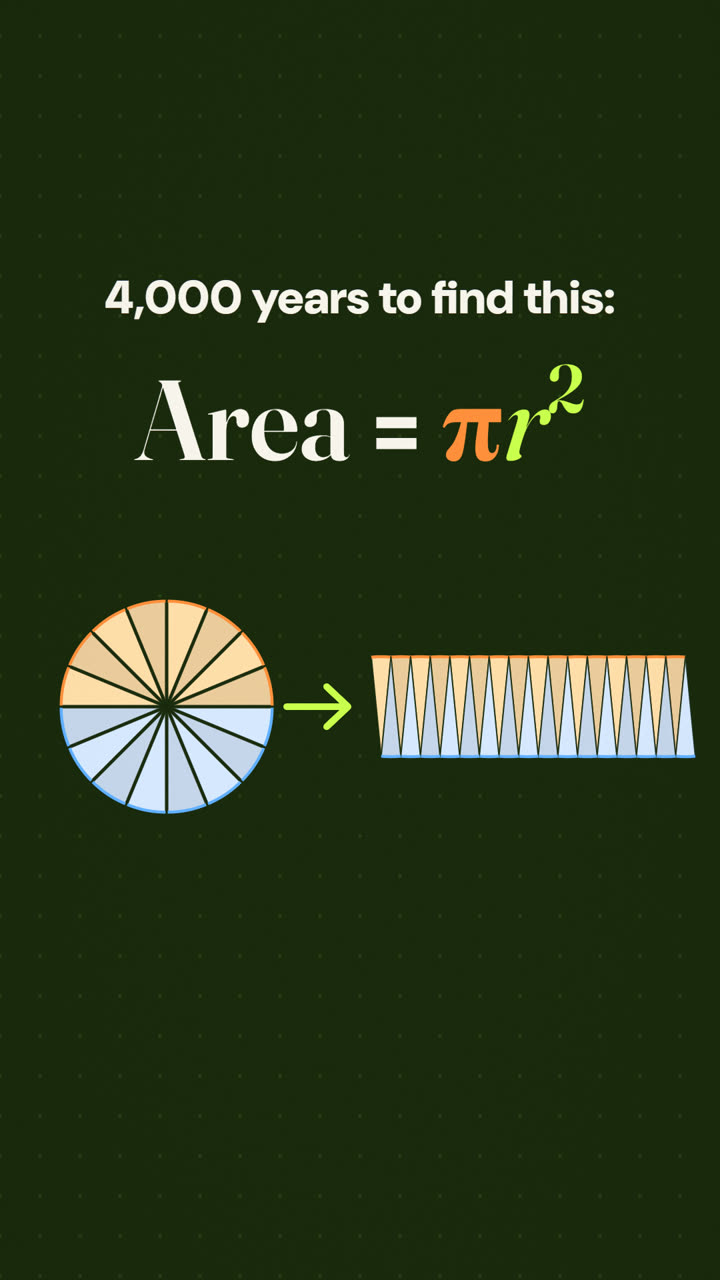
Why is the area of a circle πr²? A 4,000-year story
Slice a circle like a pizza, line the slices up, and it turns into a rectangle.
 1:07
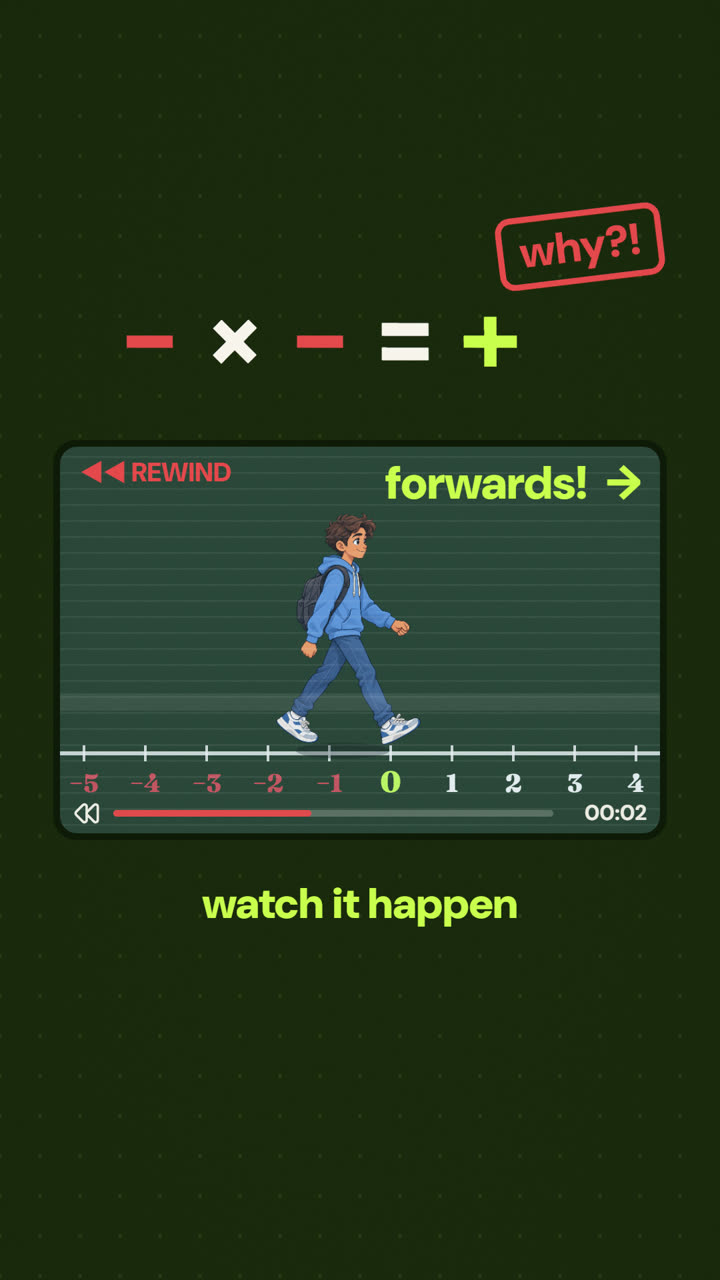
Why is a negative times a negative positive?
Walk backwards, then rewind the video. On screen, they walk forwards.
 1:04
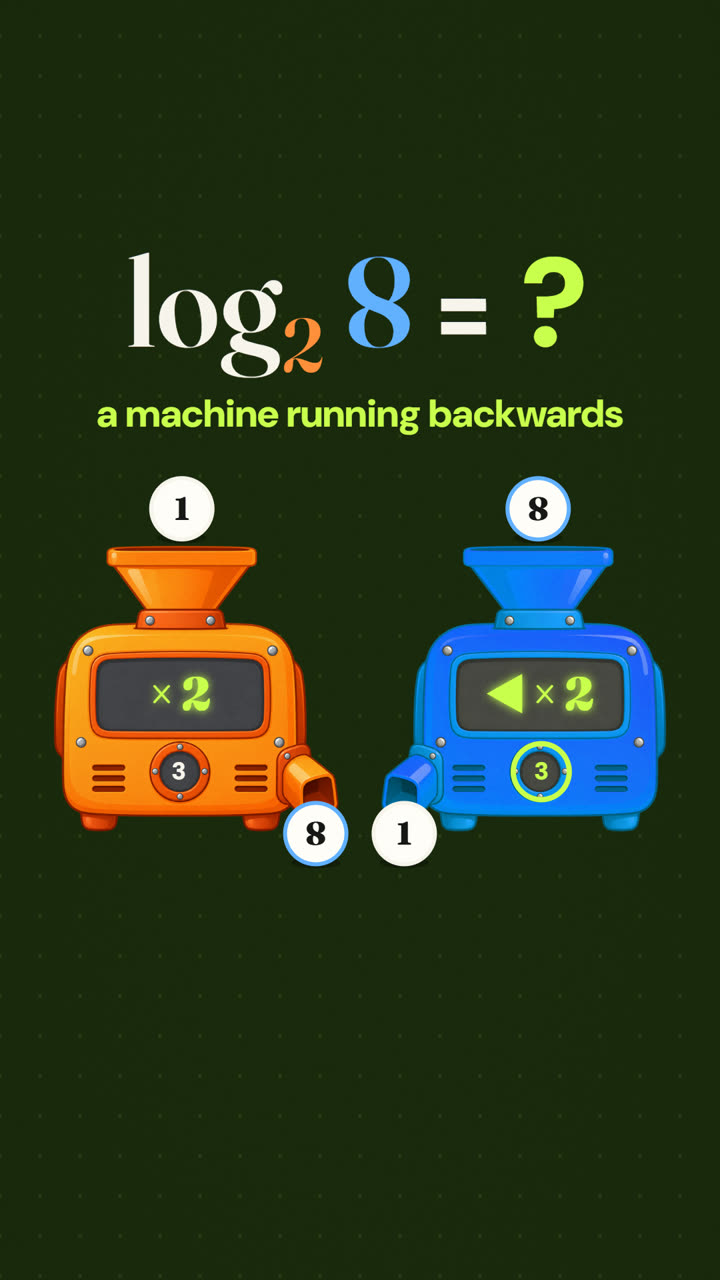
Logarithms explained simply: a log is a machine running backwards
A power and a log are the same machine, run in opposite directions.
 1:04
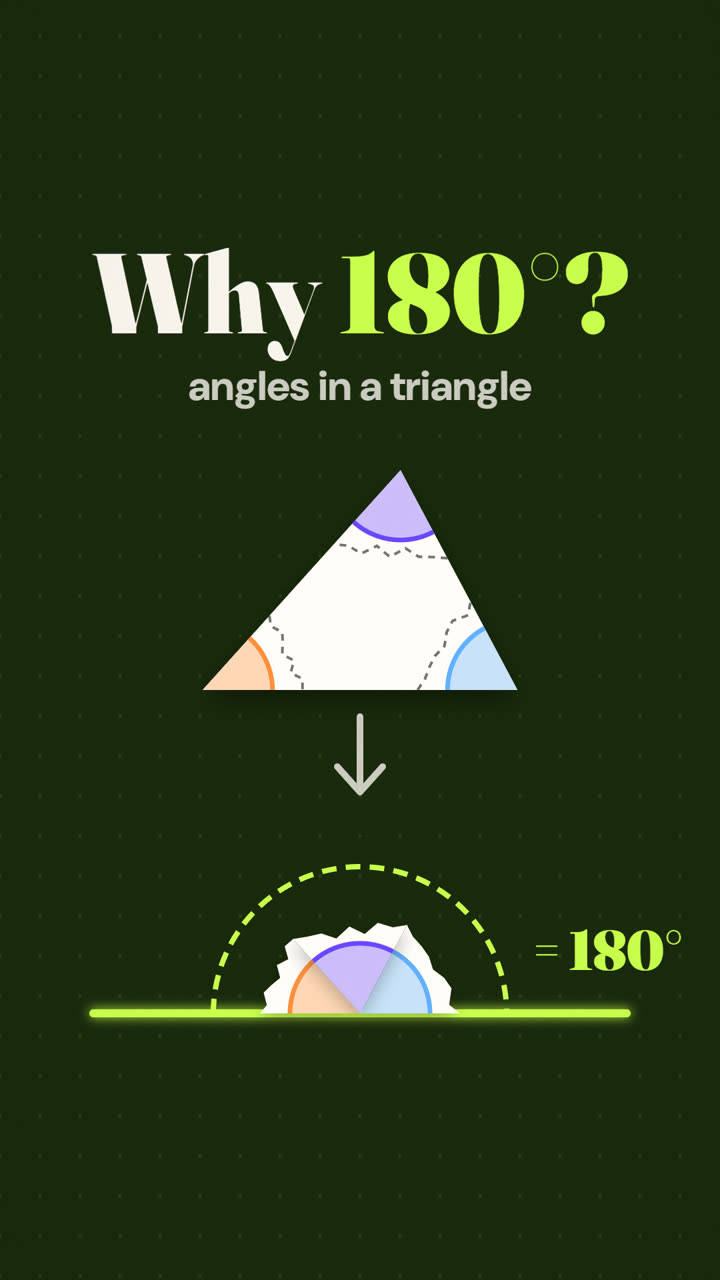
Why do the angles in a triangle add up to 180°?
Every triangle is hiding a straight line. Tear the corners off and find it.
 1:01
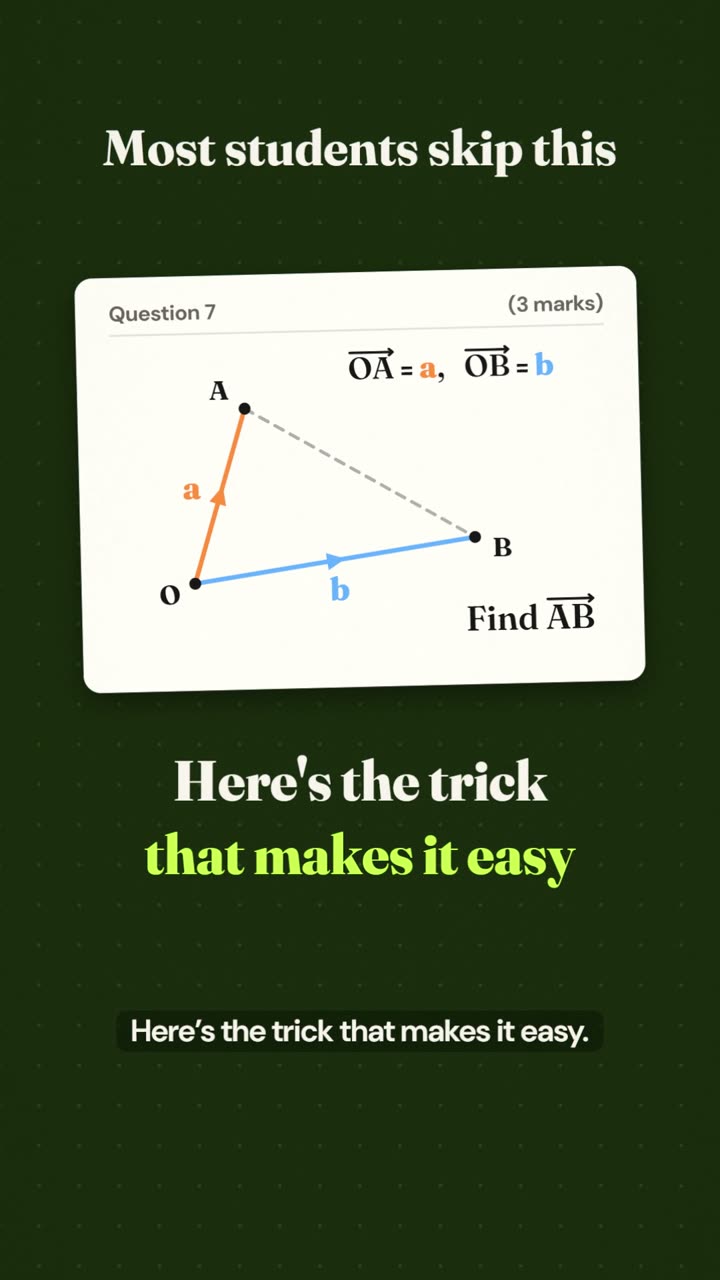
Vectors made easy: think of them as bus routes
No direct route? Go the long way round. Going backwards makes it negative.
 0:58
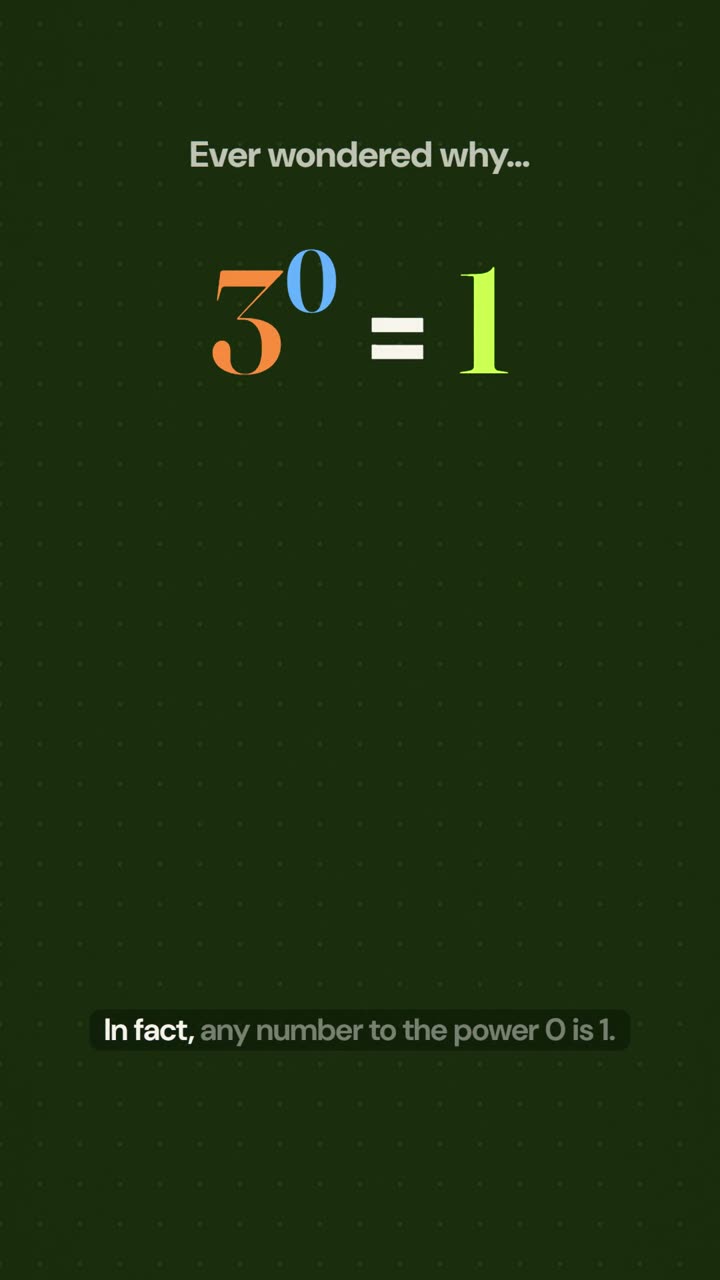
Why is any number to the power 0 equal to 1?
A number divided by itself is 1. Written with powers, that's the power 0.
 1:05
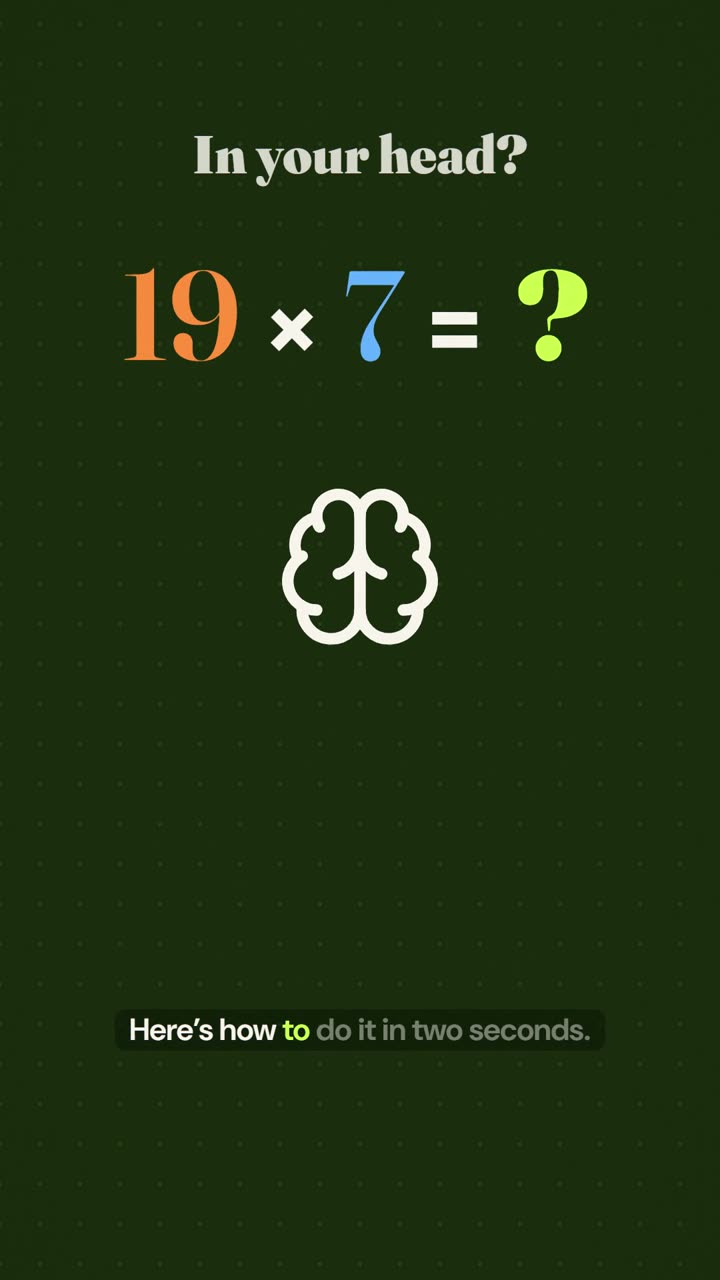
Times tables shortcuts: how to do 19 × 7 in your head
Use an easy number nearby, then add or take away one lot.
 1:04
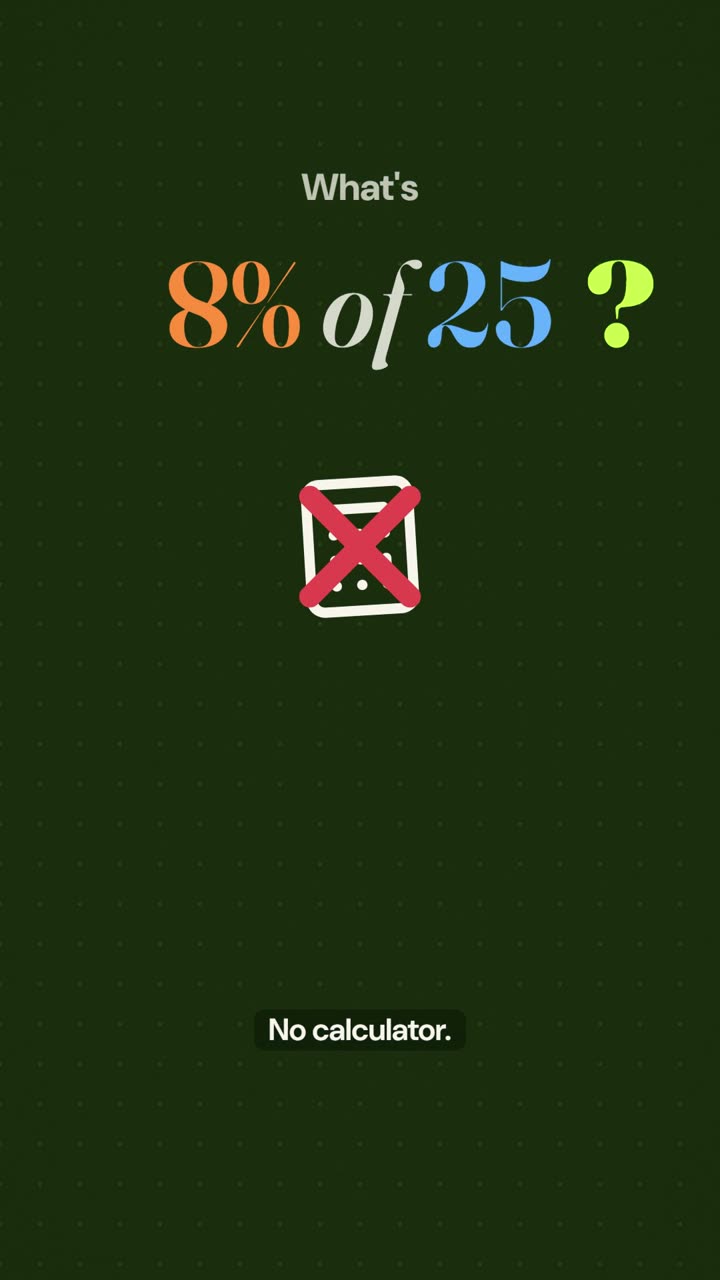
The percentage flip: why 8% of 25 is the same as 25% of 8
Flip any percentage question and do whichever side is easier.
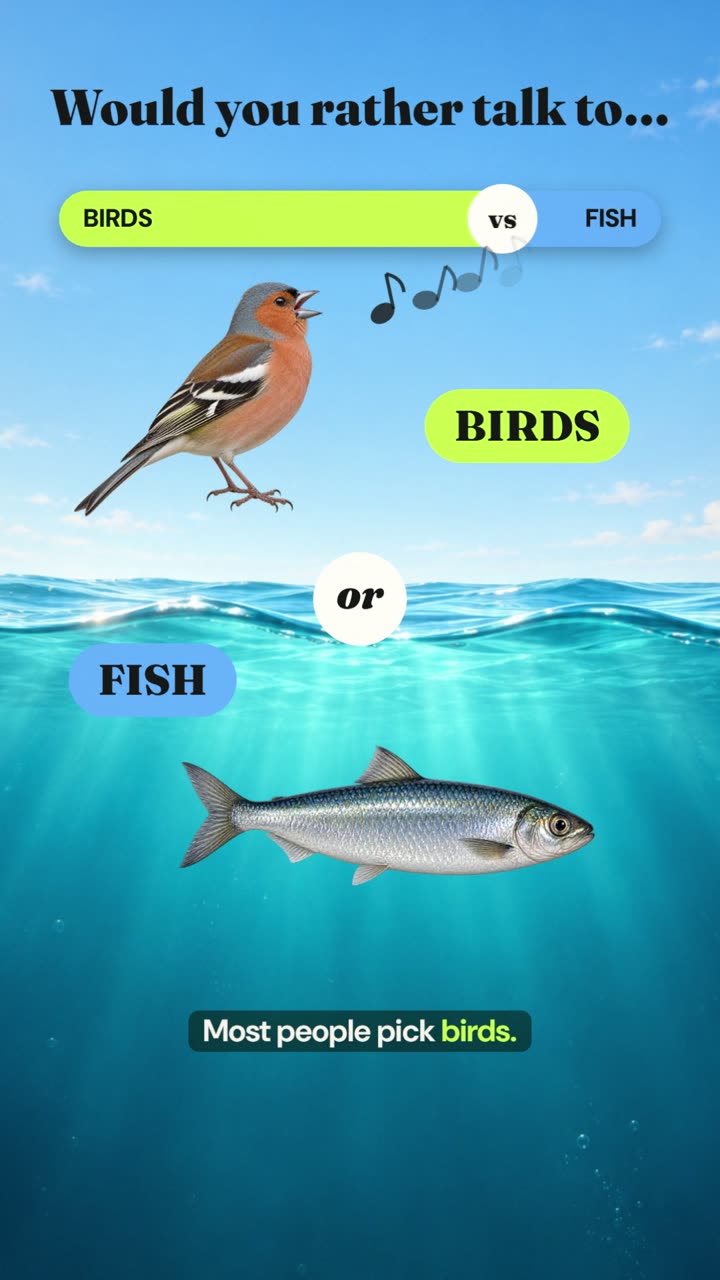 1:00
Would you rather talk to birds or fish? Why sound travels faster in water
Sound is a vibration passed between particles. Underwater, that makes it a superpower.
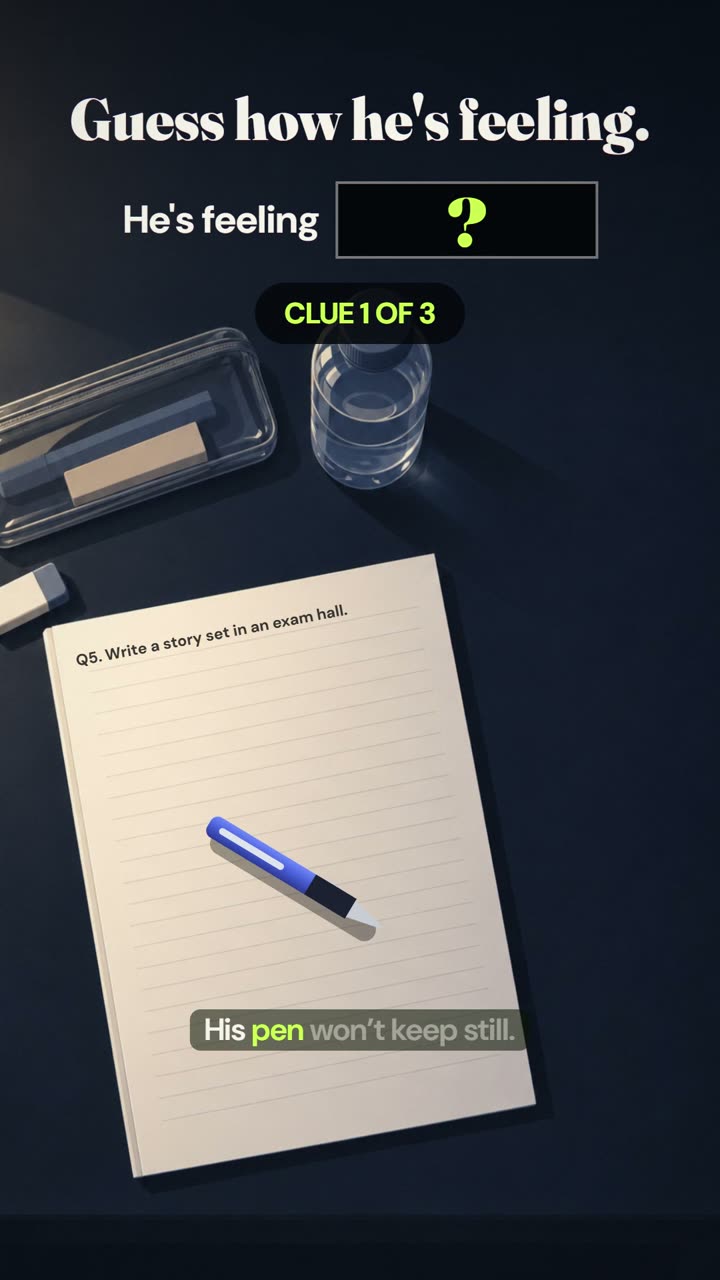 1:15
Show, don't tell: the camera test for creative writing
Could a camera film it? One test that turns telling into showing.
 1:08
How horror writers scare you with full stops
Long sentences calm the reader. Short ones stop them. Here's how to use both.
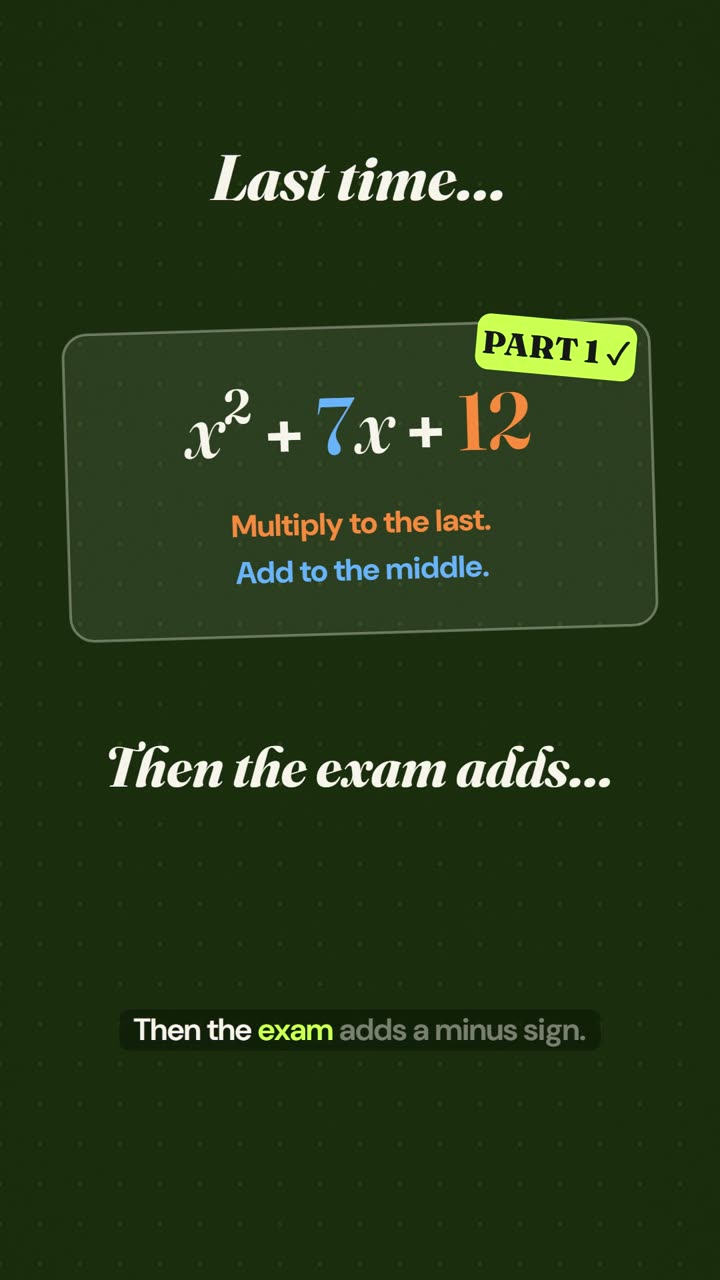 1:15
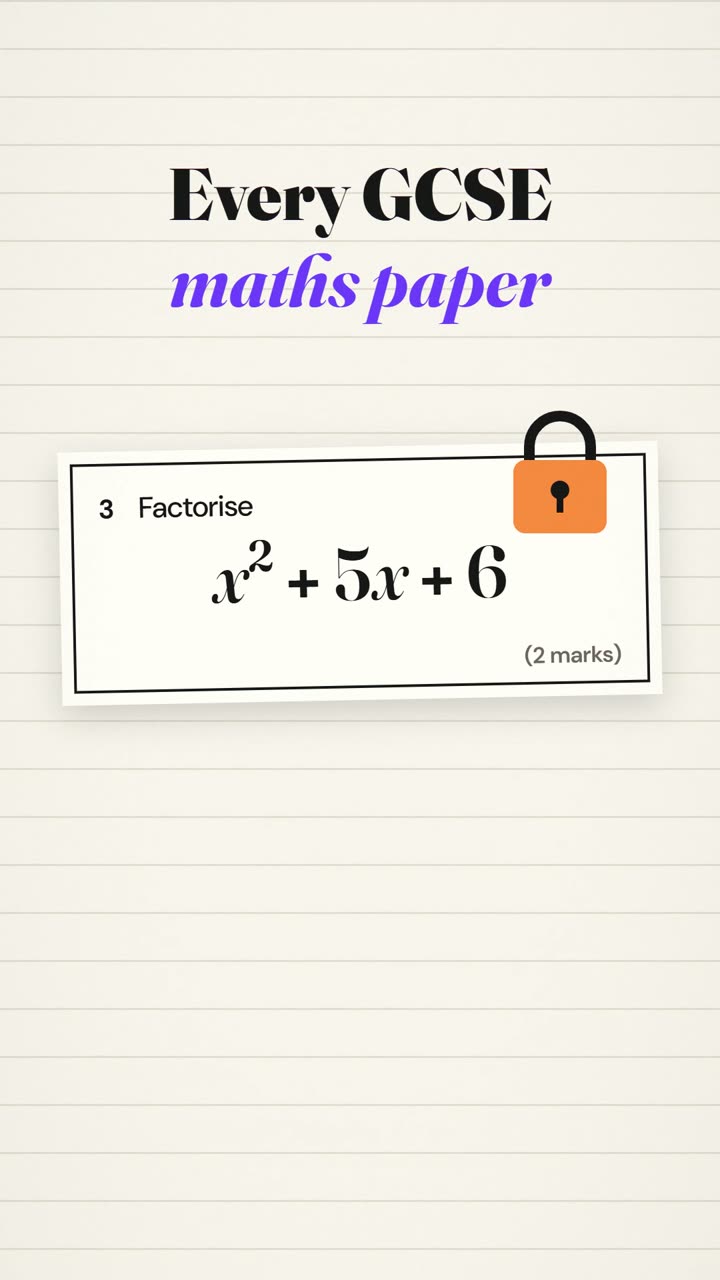
Factorising quadratics with negative numbers
The rule doesn't change. One sign check tells you which way the minus signs go.
 1:07
The 10-second trick for factorising quadratics
Two numbers that multiply to the last and add to the middle. Watch why it works.