Verbal Reasoning
This focuses on thinking with words, letters, meanings, codes, and language-based problem-solving.
Build stronger problem-solving, logic, and thinking skills with personalised online reasoning lessons.
Our reasoning tutoring helps children develop the skills needed to tackle questions involving logic, patterns, sequences, problem-solving, and careful thinking. Whether your child needs support with verbal reasoning, non-verbal reasoning, spatial reasoning, or general problem-solving practice, lessons are tailored to their level and designed to build confidence step by step.

Lessons focus on patterns, logic, question types, and step-by-step methods so children can think more clearly under pressure.
Reasoning is the ability to think carefully, spot patterns, solve unfamiliar problems, and work out answers using logic. It is often tested in entrance exams and assessment papers because it shows how well a child can process information, make connections, and think independently.
This focuses on thinking with words, letters, meanings, codes, and language-based problem-solving.
This involves shapes, patterns, diagrams, similarities, differences, and visual logic.
This helps children think about movement, position, rotation, and how shapes or objects relate to each other.
Children learn how to break down questions, follow clues, eliminate wrong answers, and work towards the solution in a structured way.
Reasoning tutoring can support children in different situations. Some need help preparing for entrance exams, some want to improve general problem-solving skills, and some simply need more confidence when faced with unfamiliar question types.
Reasoning often forms a key part of selective school assessments.
Support can be adapted to the style of the test they are sitting.
We help them recognise structure and think more systematically.
Lessons can target codes, analogies, word logic, and language-based clues.
We work on pattern rules, visual sequences, and diagram logic.
Children learn how to start calmly instead of panicking or guessing.
Timed work can be introduced once the method becomes more secure.
Reasoning can support wider confidence with challenge across subjects.
Our tutors support children across the main types of reasoning commonly used in assessments and entrance exams. Lessons can focus on one area or combine several depending on your child's needs.
Children may work on letter sequences, word relationships, codes, analogies, odd-one-out questions, vocabulary-based logic, and instructions involving careful language use.
Tutors help children interpret shapes, spot visual patterns, understand transformations, compare diagrams, and identify rules within image-based sequences.
Lessons can cover rotation, reflection, position, direction, folding shapes, and visualising how objects move or fit together.
Children are guided through how to read clues carefully, test possibilities, rule out wrong answers, and work systematically.
This includes number patterns, shape sequences, symbol changes, and other questions where children must identify what comes next and why.
Tutors teach children how to break questions into steps, avoid panic, and use a method rather than guessing.
Where appropriate, children can also develop the speed and composure needed to complete reasoning questions under timed conditions.
Reasoning questions can be challenging because they often look unfamiliar. Even bright children can lose confidence if they do not know what the question is really asking or how to approach it.
Many children freeze because the route into the question is not obvious.
Reasoning often uses formats children do not see in normal classwork.
Small clues are easy to miss without a clear routine.
Some pupils need help seeing how shapes, symbols, or words are changing.
Non-verbal tasks can feel harder if children are unsure what the diagram is testing.
Speed becomes a problem if the method is not automatic enough yet.
Without a structure, children often rely on trial and error.
Reasoning can feel discouraging if children assume they "just can't do it".
Some questions include extra information that needs sorting carefully.
Pupils often need help knowing when to pause, reset, and apply a better method.
Each lesson is designed to help children become more comfortable with reasoning question types while also building stronger methods and confidence. Tutors guide pupils carefully at first, then help them work more independently as they improve.
The tutor first explains what kind of reasoning question it is and what the child should be looking for.
Children are shown how to approach the question step by step rather than relying on guesswork.
The tutor works through examples with the child so they can see the thinking process clearly.
The child then attempts similar questions while receiving feedback and encouragement.
As confidence improves, lessons can also focus on completing reasoning tasks more efficiently without losing accuracy.
Tutors help children see why the correct answer works and how to avoid similar mistakes in future.
Reasoning is commonly included in 11+ exams and other school entrance assessments. These papers often test how well a child can think, process information, and solve unfamiliar questions under pressure. Our tutoring helps children become more comfortable with the format while strengthening the underlying skills they need.
Children learn the logic behind common word, letter, and code-based tasks.
We help pupils recognise shape changes, transformations, and visual rules more quickly.
Lessons strengthen the thinking habits needed for multi-step and unfamiliar questions.
Where appropriate, children gradually develop speed alongside accuracy.
Tutors help children stay calmer when the paper feels unfamiliar or pressured.
Children learn when to persist, when to eliminate options, and how to avoid getting stuck.
We focus on method so speed does not come at the cost of care.
Children build a more controlled approach to pacing, checking, and moving on.
Reasoning lessons can support far more than one exam. They help children become stronger thinkers in ways that can support learning across many areas.
Children become better at breaking down unfamiliar questions and working through them logically.
Reasoning tasks train children to pay attention to detail and stay focused.
Pupils become quicker at spotting rules, relationships, and changes.
Children learn not to panic when a question looks unfamiliar.
Tutoring helps pupils become more systematic and organised in the way they approach problems.
For children preparing for selective tests, stronger reasoning skills can make a major difference.
If your child is preparing for a specific exam board or school entrance test, lessons can focus on the reasoning style most relevant to that assessment.
If your child is preparing for a specific exam board or school entrance test, lessons can focus on the reasoning style most relevant to that assessment.
With the right support, children can learn how to approach reasoning questions more calmly, think more clearly, and solve problems with greater confidence. Whether your child needs help with verbal reasoning, non-verbal reasoning, spatial reasoning, or entrance exam preparation, personalised tutoring can make a real difference.
Book a Reasoning LessonGet in touch to find the right reasoning tutor for your child's level and goals.
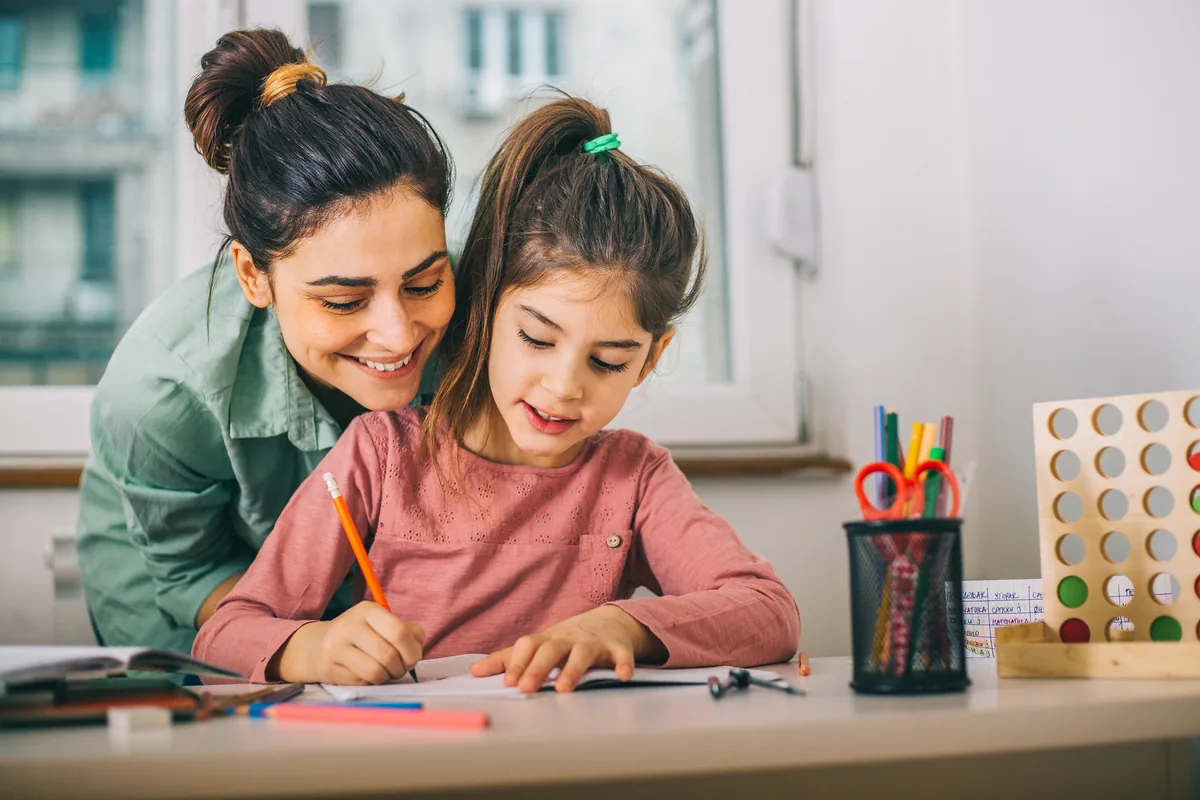
Focused support for verbal reasoning, non-verbal reasoning, spatial reasoning, logic, patterns, and entrance exam preparation.